
Artist · EveryDisc catalogue

Waylon Jennings
USA30 releases
Country
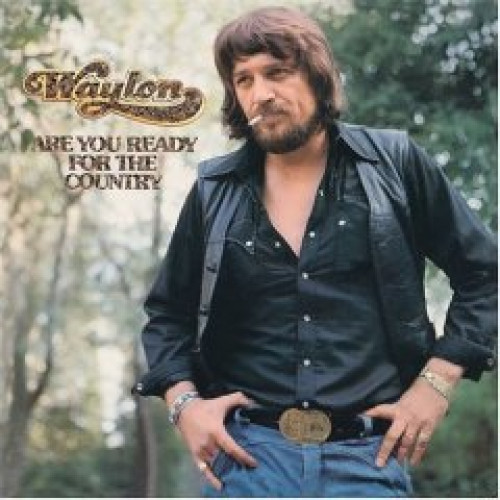
Waylon Jennings (Waylon Jennings, full name Waylon Arnold Jennings, June 15, 1937 — February 13, 2002) was an American singer, songwriter, musician, and actor. He was one of the most popular country music performers of the twentieth century. Jennings began playing the guitar at the age of eight, and by twelve he was already performing on local radio. At the beginning of his career, Waylon also worked as a DJ at several local radio stations. In 1958, Buddy Holly helped Jennings make his first recordings, after which he took him on tour as a bass player. On February 3, 1959, returning from a concert in Arizona, Jennings gave up his seat on a plane to a cold-stricken Jiles Richardson, thereby avoiding death. The crash of this flight led to the death of everyone on board and went down in history as "the day the music died". After this, Jennings worked in radio in Arizona, formed the band The Waylors, and recorded on independent labels Trend Record and A&M Records, later moving to RCA Victor. During the 1970s, Jennings participated in the creation of a new direction in country music: outlaw country. He released the albums Lonesome, On’ry and Mean and Honky Tonk Heroes, which were warmly received by the public and critics, followed by the no less successful Dreaming My Dreams and Are You Ready for the Country. In 1976, he released Wanted! The Outlaws with Willie Nelson, Tompall Glaser, and Jessi Colter, which became the first platinum album in country music. In the early 1980s, Jennings struggled with cocaine addiction, which he was finally able to get rid of in 1984. In parallel with his work on solo albums, Waylon joined the country supergroup The Highwaymen, along with Willie Nelson, Kris Kristofferson, and Johnny Cash, which existed from 1985 to 1995. From 1997, Waylon reduced his touring schedule to spend more time with his family. From 1999 to 2001, due to health problems, he appeared in public less and less frequently. On February 13, 2002, Waylon Jennings died from complications of diabetes.
Filter
All albums by Waylon Jennings →
Albums by Waylon Jennings featuring Linda Tyler
Participated in
Full discography Linda Tyler →
Linda Tyler
On the shelf
Add album
Releases by Waylon Jennings