Artwork not migrated
Artist · EveryDisc catalogue
Кино
RUS13 releases
New wavePunk - PostRock
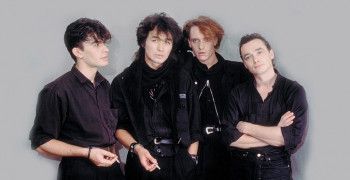
One of the most popular Soviet rock bands of the 1980s. Viktor Tsoi invariably remained the leader and author of almost all the lyrics and music; after his death, the group, which had released more than one hundred songs, several compilations and live recordings in total on studio albums over nine years, as well as a large number of unofficial bootlegs, ceased to exist. Stylistically, the group moved away from many traditional elements of Russian rock; in particular, instead of standard drum kits, various programmable effects created by drum machines were often used, which sometimes gave the sound a tinge of "disco" or "pop." The thematic component of the lyrics in the early stages of their creative work reflects adolescent everyday life and dramatic experiences regarding love, thanks to which the musicians were awarded the title "new romantics"; in later texts, heroism and protest are combined with a tragic worldview. Kino's popularity grew steadily over the years; if at first the musicians only played at house concerts and were subjected to harsh criticism from both the official and underground press, by the end of the decade their records were being distributed in millions of copies, and entire stadiums of fans would gather for their concerts. The band spawned the phenomenon of "kinomania," which intensified after the tragic death of Viktor Tsoi and exists to this day—the musician's place of work became an object of pilgrimage for numerous fans from all over the post-Soviet space, and the so-called "Tsoi wall" appeared in Krivoarbatsky Lane (Moscow), which fans covered with quotes from songs and declarations of love for the band's work. Kino often finds reflection in mass culture, and the legacy they left behind is highly regarded by today's commentators and musicologists.
On the shelf